BIPV System
A BIPV system is a building integrated photovoltaics system: photovoltaic equipment that forms part of the roof or wall, planned together with the building surface, its junctions and its maintenance route.
What building-integrated photovoltaics means
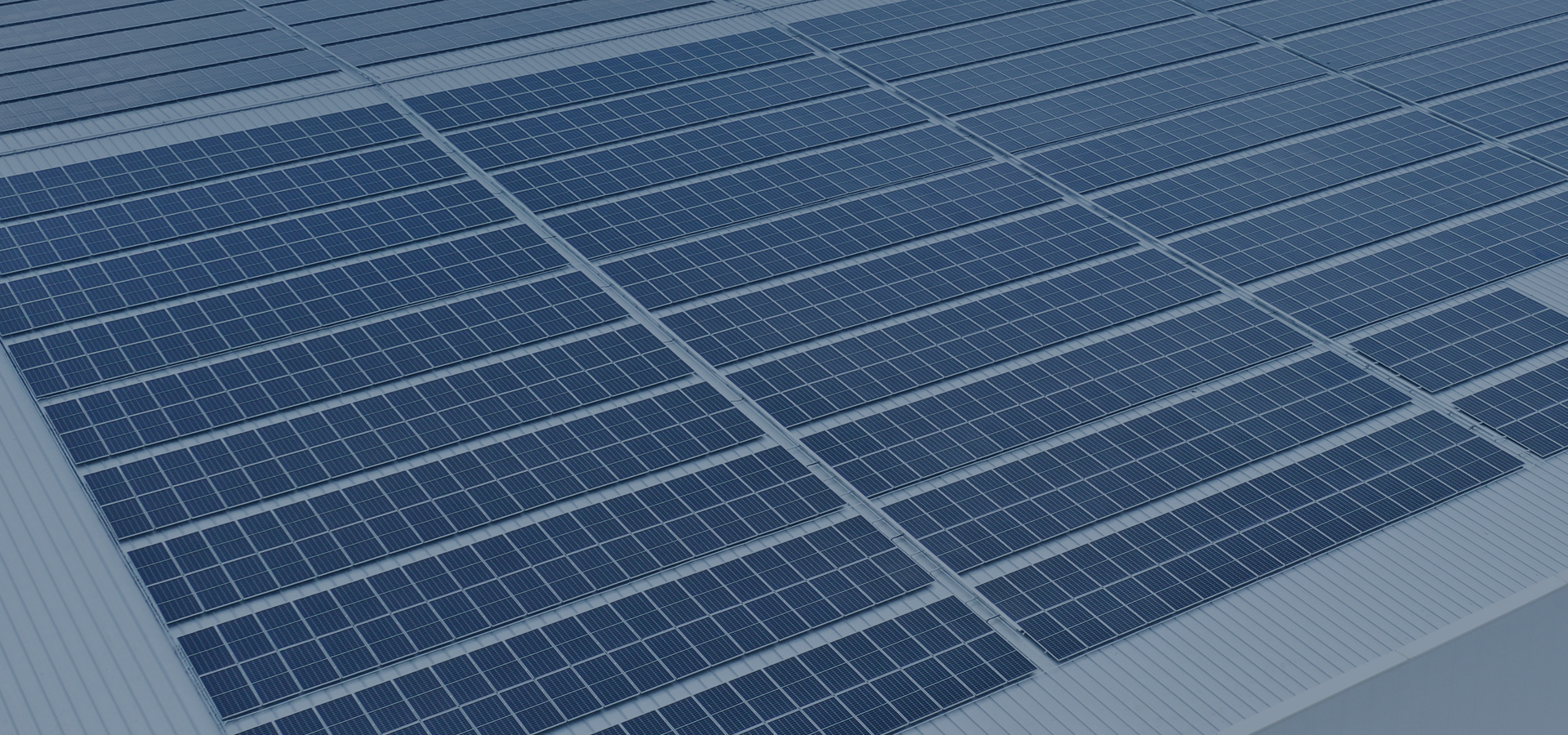
Building-integrated photovoltaics means photovoltaic equipment that forms part of the building itself, rather than equipment added on top of a finished roof or wall. The photovoltaic surface and the building surface are planned as one system, so the roof or wall design and the energy equipment design move together.
This site describes building-integrated photovoltaics at system level only. Power ratings and energy output figures are not published here; please confirm any energy requirement in your inquiry, and treat it as a point to be confirmed rather than a published claim.
Photovoltaics integrated into the roof
A photovoltaic roof is a roof that is also an energy surface. The roof covering, the photovoltaic layer, drainage and maintenance access all have to be planned together, because a roof that generates energy is maintained and inspected differently from a roof that only closes the building.
Roof photovoltaic inquiries should describe the roof plan, the roof orientation and shading, and the maintenance access you expect. Those points belong in the first inquiry, since they affect both the roof system and the photovoltaic system that shares it.
Photovoltaics integrated into the wall
Photovoltaic equipment can also be integrated into a wall, where the wall surface carries both the envelope function and the energy function. As with the roof, the wall build-up, the junctions and the maintenance route have to be planned together from the start.
Wall photovoltaic inquiries should describe the wall areas, the wall orientation and the openings separately from the roof areas. A wall that carries photovoltaic equipment is not a standard wall, and it should not be briefed as one.